
Fresh Essay shares practical, down-to-earth guidance on academic writing and study skills for uk university students for readers across the UK.
- 0123456789
- Angle Bd Abdelmoumen & rue soumaya, Résidence
- [email protected]
Fresh Essay shares practical, down-to-earth guidance on academic writing and study skills for uk university students for readers across the UK.
 By Daniel Foster
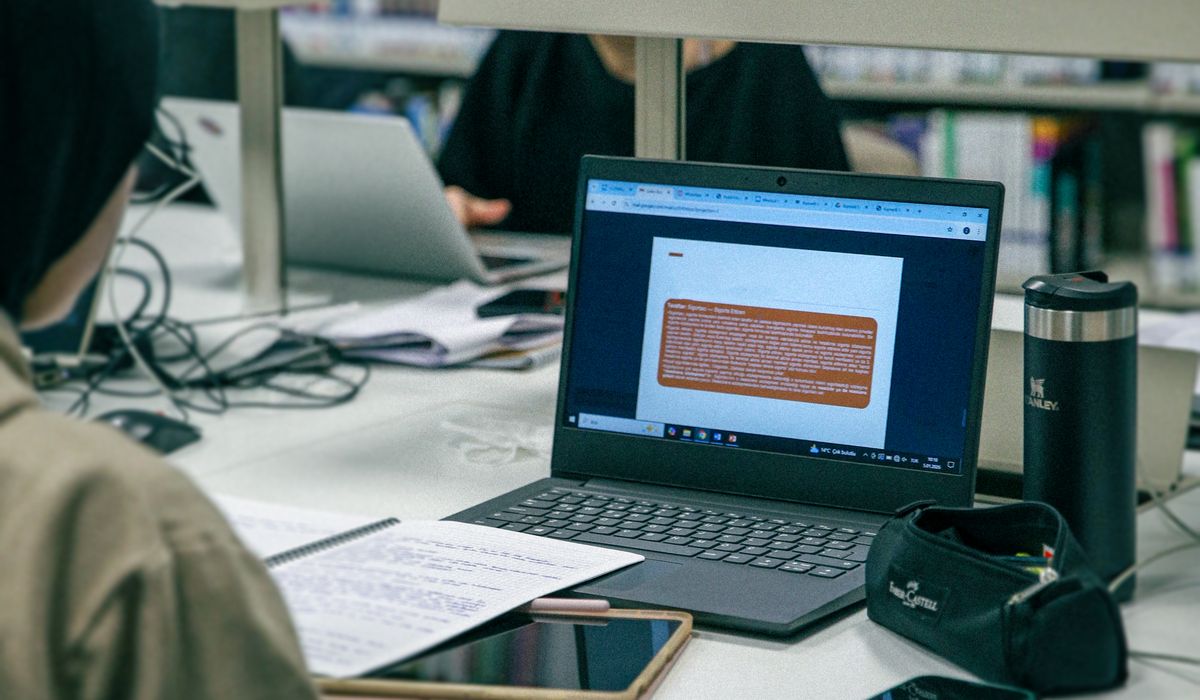
Most students revise the way they always have: notes open, highlighter in hand, reading the same page for the third time. It feels like work. It feels safe. And it's one of the least effective ways to prepare for an exam. The problem is that re-reading creates familiarity, not knowledge. When you see a paragraph you have read before, your brain says "I know this" — but recognising something is a long way from being able to produce it from scratch in an exam hall with the clock ticking.
The alternative is uncomfortable at first, because it feels harder. That difficulty is the point. If retrieval feels effortless, very little learning is happening. Below are the approaches that consistently make the biggest difference to exam performance, and how to build them into a realistic revision timetable.
Active recall means closing the book and forcing your brain to retrieve the information. Close your notes, take a blank sheet, and write down everything you can remember about a topic. Then check what you missed. The gaps you find are your revision priorities — and you'll remember them far better than anything you passively read.
Ways to build it into your week:
Expect retrieval to feel slow and clumsy at first. That discomfort usually fades within a week or two, and the payoff is a much stronger grasp of the material.
Cramming works for about forty-eight hours. Spacing your revision across days and weeks produces memory that survives the exam period, and it takes roughly the same total time. The catch is that spacing feels less urgent, so you have to schedule it deliberately.
A practical pattern for a ten-week term:
A simple spreadsheet or a wall calendar works fine. Mark each topic with dates for review, and tick them off. If you fall behind, shrink the sessions rather than skipping them — ten focused minutes beats nothing.
Blocking means doing twenty questions on one topic, then twenty on another. It feels fluent, but you're never practising the hardest skill: working out which approach a question requires. Interleaving means mixing topics within a session, so you have to identify the method first. That's precisely what exams demand.
Try alternating between two or three related topics in a single study block, or shuffling your question cards rather than working through them in order. It will feel messier and you'll make more mistakes — but those mistakes are diagnostic, and you'll be far less likely to freeze when a question doesn't signpost its own answer.
Knowledge is only half the battle; the other half is performing under pressure. Practise the conditions, not just the content.
You don't need to overhaul everything at once. Pick one topic this week and test yourself on it without notes. Add one review date to your calendar a week from now. Once those habits stick, layer in interleaved practice and full timed papers.
Revision that feels easy is usually revision that isn't working. If you finish a session slightly tired and aware of exactly what you don't yet know, you're doing it right — and that awareness, more than any highlighter, is what carries you through the exam hall.


We are not gonna make spamming
