
Fresh Essay shares practical, down-to-earth guidance on academic writing and study skills for uk university students for readers across the UK.
- 0123456789
- Angle Bd Abdelmoumen & rue soumaya, Résidence
- [email protected]
Fresh Essay shares practical, down-to-earth guidance on academic writing and study skills for uk university students for readers across the UK.
 By Charlotte Hayes
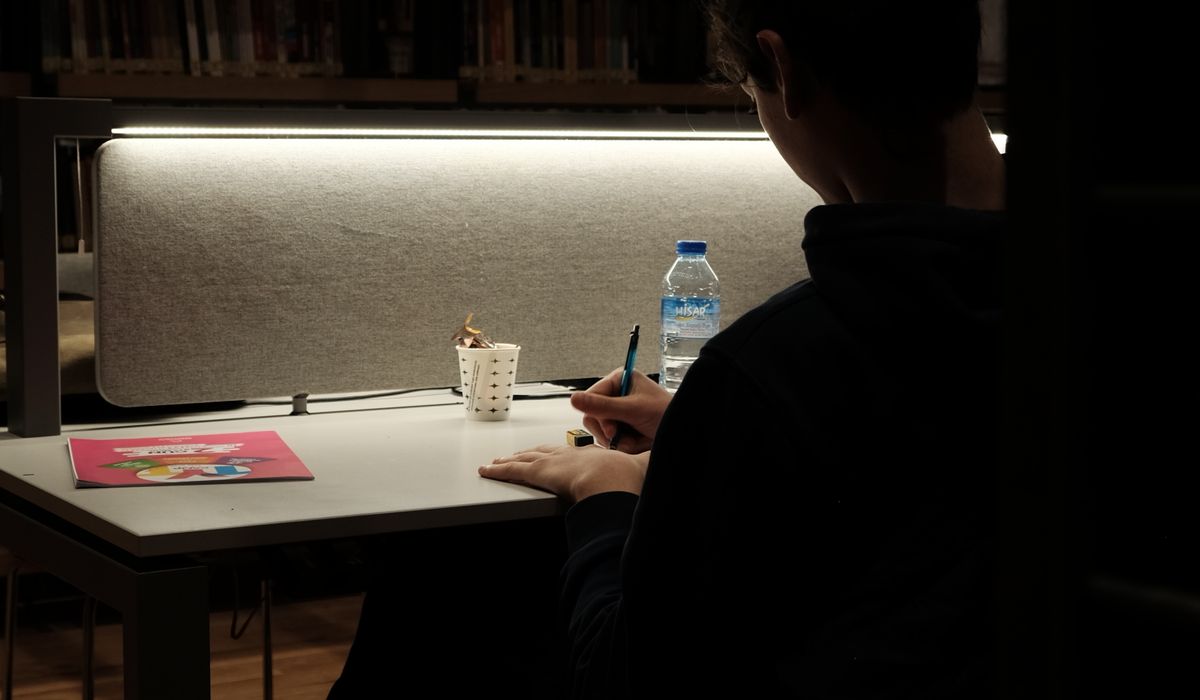
Most students arrive at university as confident readers. Then they meet a reading list of forty items, each written for an audience of specialists, and the confidence wobbles. That wobble is normal, and it is not a sign that you have chosen the wrong course. Reading at university is a different skill from reading for pleasure or reading for information. You are not simply absorbing content; you are entering an ongoing conversation between researchers who disagree with each other, and your job is to work out what each contributor is arguing, how well they argue it, and where you stand.
The good news is that this is learnable. With a bit of strategy, you can read more purposefully, remember more of what matters, and produce better essays as a result.
The single biggest cause of slow, unproductive reading is reading everything the same way. A journal article you need to cite precisely demands a very different approach from a textbook chapter skimmed to fill a gap in your understanding. Before you start, ask yourself what you want from this text. Common purposes include:
Write the purpose down in a single sentence. It sounds fussy, but it stops you drifting into passive reading, which is where entire evenings disappear.
Academic texts have a spine: a central claim, supported by reasons and evidence. Your task is to locate that spine quickly. Start with the abstract, the introduction and the conclusion, in that order. In a book, read the introduction and the final chapter before dipping into the middle. These sections tell you what the author believes and why it matters.
Once you are inside the text, read for topic sentences. The first or second sentence of most paragraphs states what that paragraph is doing. Pay attention to signposting language, because it tells you where the author is going: however and by contrast signal a challenge to another view; therefore and consequently signal a conclusion; for example and such as signal evidence. Note also the strength of the claim. A writer who says a policy may contribute to an outcome is claiming something quite different from one who says it causes it.
As you read, capture the argument in your own words, in one or two sentences. If you cannot, you have not yet understood it, and re-reading the same paragraph more slowly will not help as much as moving on and returning with the wider picture in mind.
Critical reading does not mean being negative. It means asking sensible questions about how much weight a claim can bear. Useful prompts include:
Keep a note of your own reactions as you go. A comment such as "sample drawn from one institution — limited generalisability" takes ten seconds to write and can become a paragraph of your essay.
Highlighting feels productive and rarely is. Notes you can actually use have three components: the full reference details, the argument or evidence in your own words, and your response to it. Always record page numbers, because you will need them for citations and you will not want to hunt for them again at midnight.
A simple structure works well: a claim column, an evidence column, and a response column. For example, you might note that an author argues mentoring improves retention, that the evidence is a survey of two hundred students at one university, and that this supports your point about targeted support but cannot be generalised nationally. That third column is where your own voice begins.
Paraphrase rather than copy. If you transcribe long quotations, mark them clearly as quotations and note the page, or you risk accidentally presenting someone else's words as your own — a serious matter in UK academic work.
Efficiency is not about speed for its own sake; it is about spending your attention where it pays. Try a layered approach. First, skim for structure: headings, abstract, conclusion, first sentences. Second, read closely only the sections that answer your purpose. Third, set a timer. Twenty-five focused minutes with a clear question beats two unfocused hours, and it gives you a natural point to stop, review your notes and decide whether the text deserves more of your time.
Finally, accept that you are not meant to read everything on the list cover to cover. Lecturers build reading lists knowing students will prioritise. Choose deliberately, read critically, take notes that feed straight into your writing, and you will find that the reading stops feeling like a mountain and starts feeling like a conversation you are genuinely part of.


We are not gonna make spamming
